Surface Finishing Basics for Engineers: Understanding Ra, Rz and Coating Stack-Ups
Surface finish plays a critical role in the performance of engineered components. It affects everything from coating adhesion and corrosion resistance to sealing performance, wear life and dimensional accuracy.
Yet surface finish specifications are often misunderstood or left incomplete, resulting in production delays, inconsistent coating performance and unnecessary manufacturing costs.
Understanding how surface roughness, preparation methods and coating systems work together allows engineers to produce clearer drawings, reduce rework and achieve more reliable manufacturing outcomes.
At Frost Electroplating, we help manufacturers specify and deliver precision surface treatments for components used across aerospace, defence, automotive, medical and industrial applications.
Understanding Surface Roughness: Ra vs Rz
What Is Ra?
- Machined components.
- Bearing seats.
- General sealing surfaces.
- Components requiring electroplating or anodising.
What Is Rz?
This makes it particularly valuable where surface irregularities may affect:
What Does a 0.8 μm Ra Finish Mean?
A surface finish of 0.8 μm Ra is generally considered a fine machined finish suitable for many precision engineering applications. It is commonly achieved through:
- Finish turning.
- Fine milling.
- Grinding.
- Controlled polishing.
This level of finish offers an excellent balance between smoothness and functional performance. Typical uses include:
- Bearing fits.
- Hydraulic sealing surfaces.
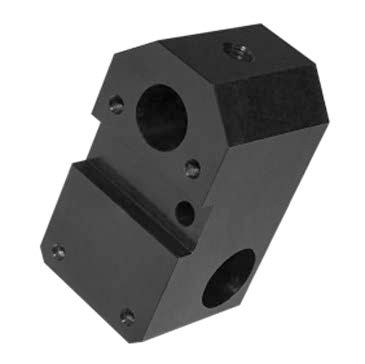
- Precision machined housings.
- Components prepared for high-quality surface coatings.
Where tighter sealing performance is required, engineers may specify finer finishes, while applications requiring greater coating adhesion may benefit from slightly rougher surfaces.

Why Surface Finish Matters Before Coating
The performance of any coating begins with the substrate. Even the highest-quality coating cannot compensate for poor surface preparation.
Adhesion
Surface texture directly influences how effectively a coating bonds with the substrate.
A finish that is too smooth may reduce mechanical keying, while excessive roughness can trap contaminants and introduce stress concentrations.
Wear Resistance
High surface peaks experience greater contact pressure during service, increasing friction and accelerating wear.
A well-controlled finish distributes loads more evenly and improves component life.
Sealing Performance
Hydraulic and pneumatic sealing surfaces require carefully controlled roughness.
Excessively rough finishes can create leak paths, while extremely smooth finishes may reduce lubricant retention depending on the application.
Selecting the appropriate surface finish always depends on the intended operating conditions.
Common Surface Preparation Methods
Different manufacturing processes produce different surface characteristics. Selecting the correct preparation method is essential before applying any protective or decorative coating.
Common preparation techniques include:
- Precision machining.
- Surface grinding.
- Mechanical polishing.
- Vibratory finishing.
- Glass bead blasting.
- Chemical cleaning.
- Electrochemical cleaning.
Each process creates a different surface profile, influencing coating adhesion, cosmetic appearance and dimensional accuracy.
Our metal finishing services include surface preparation tailored to the coating and application requirements of each component.
Selecting the Right Surface Finish
The ideal surface finish depends on the function of the component rather than a single roughness value. When preparing engineering drawings, consider factors such as:
- Operating environment.
- Material type.
- Corrosion exposure.
- Sliding contact.
- Sealing requirements.
- Dimensional tolerances.
- Cosmetic appearance.
For aluminium components intended for anodising, selecting the correct surface preparation before coating is particularly important.
Learn more about our anodising services and specialist aluminium surface treatments.
Understanding Coating Stack-Ups
Many engineering components receive multiple surface treatments rather than a single coating. Each layer contributes to the overall performance of the finished part.
Typical coating systems may include:
- Surface preparation.
- Conversion coating.
- Electroless nickel.
- Decorative or functional plating.
- Passivation or sealing.
Specifying each individual layer helps ensure consistent manufacturing results.
Undercoats
Undercoats improve adhesion while increasing corrosion resistance. Depending on the material, they may include:
- Nickel.
- Conversion coatings.
- Zinc phosphate.
- Anodic oxide layers.
Selecting the appropriate undercoat depends on both the substrate material and the final coating.
Coating Thickness
Every coating increases component dimensions. For example, a coating thickness of 10 μm adds approximately 20 μm to an external diameter.
This can affect:
- Threads.
- Bearing fits.
- Precision bores.
- Sliding assemblies.
Allowing for coating build-up during design helps avoid expensive machining corrections later.
Tight-Tolerance Components
Components requiring highly uniform coating thickness often benefit from electroless nickel because the autocatalytic process deposits material evenly across complex geometries.
Our Electroless Nickel process is particularly well suited to components with internal features, recesses and intricate machined surfaces.
Inspection and Verification
Reliable surface finishing depends on thorough inspection. Common quality control methods include:
Coating Thickness Measurement
Typically performed using X-ray fluorescence (XRF), magnetic induction or eddy current instruments depending on the coating system.
Surface Roughness Measurement
Ra and Rz are measured using contact stylus or optical surface profilometers.
Adhesion Testing
Depending on the specification, adhesion may be verified using bend testing, tape testing or thermal cycling.
Visual Inspection
Cosmetic appearance, colour consistency and edge coverage are assessed under controlled lighting against approved reference standards where required.
Choosing the Right Coating
The most suitable coating depends entirely on the application's performance requirements.
Different coatings provide different advantages, including:
- Corrosion protection.
- Wear resistance.
- Electrical conductivity.
- Lubricity.
- Decorative appearance.
- Chemical resistance.
Where corrosion is the primary concern, our Corrosion Protection Coatings provide a range of proven engineering solutions.
For components exposed to abrasion or repeated sliding contact, our Wear Resistant Coatings offer enhanced durability in demanding environments.
Information to Include When Requesting a Quote
Providing complete engineering information helps reduce lead times and improves quotation accuracy. Useful information includes:
- Engineering drawings.
- Material specification.
- Heat treatment details.
- Required coating system.
- Individual coating thicknesses.
- Surface finish requirements.
- Masking requirements.
- Critical dimensions.
- Inspection standards.
- Annual production quantities.
The more clearly these requirements are defined, the more efficiently the manufacturing process can be planned.
Frequently Asked Questions
What is the difference between Ra and Rz?
What does a 0.8 μm Ra finish represent?
What are the main methods of surface finishing?
What is the best surface finish for metal?
How can a smoother metal surface be achieved?
Improve Surface Finish Performance with Frost Electroplating
Specifying the correct surface finish is one of the simplest ways to improve manufacturing consistency, coating performance and long-term component reliability.
At Frost Electroplating, we support manufacturers throughout the specification, preparation and coating process, helping engineers develop practical surface finishing solutions that perform in real-world production.
Whether your project requires
anodising,
electroless nickel, advanced
corrosion protection coatings or complete
metal finishing services, our experienced team can help you select the right process for your application while maintaining the quality standards expected in demanding industries.
Contact us today to learn more about our capabilities or request a tailored quote for your next project.